

Currently Empty: 0 CFA
Idriss Adam — Educational Content & Leadership Development
YOUTH EMPOWERMENT: BUILDING LEADERS, CREATING CHANGE
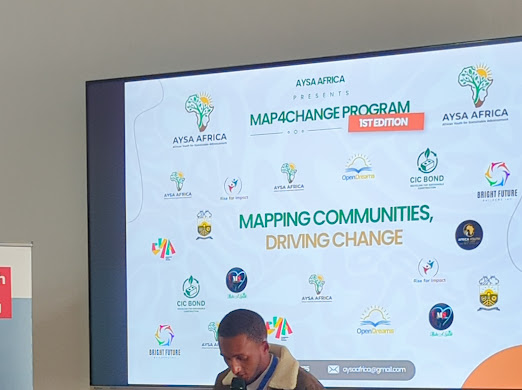
“EMPOWER ONE YOUNG MIND TODAY, AND YOU MAY CHANGE AN ENTIRE COMMUNITY TOMORROW.” 🌍🔥
Empowering Youths: Building a Generation Ready to Lead and Transform Communities 🌍🔥
The future of every community depends greatly on the young people who will inherit it.
Yet, many young people have dreams, ideas, talents, and the energy to create change but lack the opportunities, mentorship, skills, resources, and platforms needed to turn those ideas into reality.
This is why youth empowerment matters.
Youth empowerment is not simply about giving young people opportunities. It is about helping them develop the confidence, skills, knowledge, leadership abilities, and resources they need to become active contributors to society.
Why Youth Empowerment Matters
Young people are not just leaders of tomorrow.
Young people are already leaders today.
They are students, entrepreneurs, innovators, volunteers, community organizers, researchers, content creators, professionals, and changemakers.
When young people are empowered, they can contribute meaningfully to community development, entrepreneurship, education, technology, environmental protection, governance, and social transformation.
But empowerment begins when young people are given a chance to participate.
Sometimes, all a young person needs is someone to say:
“I believe in you. Give it a try.”
That simple encouragement can become the beginning of an extraordinary journey.
Moving Beyond the Comfort Zone
One of the greatest barriers to youth development is fear.
Fear of failure.
Fear of rejection.
Fear of criticism.
Fear of not being good enough.
But growth rarely happens inside our comfort zones.
Young people need to be encouraged to take opportunities, participate in leadership, learn new skills, volunteer, network, and engage with people outside their immediate environment.
Every experience teaches something.
Even failure can provide knowledge that success sometimes cannot.
The Power of Youth Leadership
Youth leadership is not about having a title.
It is about service, responsibility, accountability, and the willingness to create positive change.
A young person can demonstrate leadership by helping classmates, organizing a community activity, mentoring another student, volunteering, creating a business, solving a local problem, or speaking up about an issue affecting their community.
Leadership begins with action.
Leadership without service is not leading.
When young people understand this, leadership becomes less about positions and more about impact.
Skills Are the Foundation of Empowerment
Youth empowerment must also focus on practical skills.
Academic qualifications are important, but young people also need skills that can help them navigate the modern world.
These include:
– 💻 Digital and technology skills
– 📊 Data analysis and research
– 🗣️ Communication and public speaking
– 🤝 Teamwork and collaboration
– 💼 Entrepreneurship
– 🧠 Critical thinking and problem-solving
– 📱 Digital communication and content creation
– 🌱 Community development
– 👥 Leadership and project management
The more skills young people acquire, the more opportunities they can create for themselves and others.
Empowerment Through Community Engagement
Real transformation begins within communities.
Young people should not wait until they become wealthy, famous, or highly positioned before contributing to society.
You can start with what you have.
Identify a problem.
Listen to the people affected.
Collect information.
Work with others.
Develop a solution.
Take action.
Measure the impact.
This is how young people can transform from observers into problem-solvers.
Community mapping, youth-led projects, volunteering, awareness campaigns, and local development initiatives can give young people practical experience while helping communities address real challenges.
Mentorship: Helping Young People See What Is Possible
Sometimes young people don’t lack potential.
They lack direction.
This is where mentorship becomes important.
A mentor can share knowledge, provide guidance, introduce opportunities, challenge assumptions, and help a young person avoid mistakes.
But mentorship should not create dependence.
The goal should be to help young people become confident enough to eventually help others.
Empower someone today, and they may empower another person tomorrow.
That is how a culture of growth is created.
Young People Should Create Opportunities Too
We often talk about creating opportunities for young people.
But we should also teach young people how to create opportunities for themselves and others.
Learn a skill.
Start a small project.
Build a network.
Volunteer.
Solve a problem.
Create something.
Collaborate.
Don’t wait for everything to be perfect.
Many meaningful initiatives begin with a simple idea and a small group of committed people.
My Perspective on Youth Empowerment
My own experiences have taught me that empowerment begins when someone is willing to step forward.
From student leadership to youth empowerment activities and community development initiatives, I have seen how much young people can accomplish when they are given space to participate.
I have had opportunities to work with young people, engage in community mapping, interact with different stakeholders, and learn from people working to improve communities.
These experiences have strengthened my belief that young people should not only be invited to discussions about development; they should also be part of designing and implementing solutions.
We need young people who are willing to learn.
Young people who are willing to serve.
Young people who are willing to collaborate.
Young people who are willing to fail, learn, and try again.
Most importantly, we need young people who understand that impact is not measured only by position, but by the lives we touch and the problems we help solve.
The Future Begins With Empowered Youth
Empowering youths is not a responsibility for young people alone.
Parents, schools, universities, governments, organizations, community leaders, businesses, and individuals all have a role to play.
We must create spaces where young people can:
Learn. Lead. Innovate. Participate. Serve. Create.
Because when young people are empowered, communities become stronger.
When young people gain skills, opportunities increase.
When young people participate in decision-making, communities gain new perspectives.
When young people are encouraged to lead, they develop the confidence to create change.
And when one empowered young person empowers another, the impact continues.
Let’s stop seeing young people only as beneficiaries of development.
Let’s recognize them as partners, innovators, leaders, and changemakers. 🌍
The future we want will not be built by waiting for someone else.
It will be built by people who decide to take action today.
Empower a youth. Build a leader. Transform a community. 🔥